 US Site
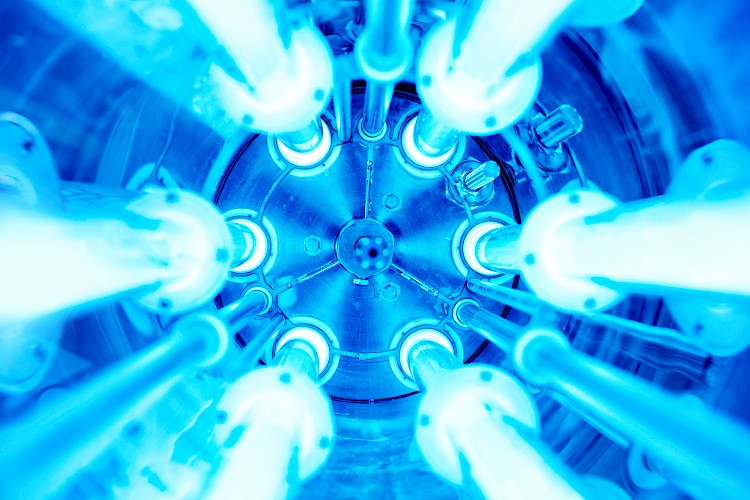
Everything You Need to Know About UVC: Protecting Air, Surfaces and Water

VICTORY
A Complete Guide to UVC Disinfection for Air Quality, Surface Hygiene and Water Safety in Commercial Environments
Ultraviolet-C (UVC) technology is widely recognised as an effective method for reducing harmful microorganisms in air, water, and on surfaces. UVC is used across healthcare, commercial and industrial environments to provide a fast, chemical-free approach to disinfection that supports modern hygiene standards.
As awareness of infection control and indoor environmental quality continues to grow, UVC is an increasingly important part of integrated safety strategies.
In this article, we’ll cover how UVC works, where it’s used and how businesses can implement it.
What UVC is and how it differs from UVA/UVB
Ultraviolet (UV) light is part of the electromagnetic spectrum and is divided into three main types based on wavelength:
- UVA (320–400 nm): Associated with skin ageing and long-term exposure effects
- UVB (280–320 nm): Responsible for sunburn and some skin damage
- UVC (100–280 nm): Germicidal range used for disinfection
Unlike UVA and UVB, which naturally reach the Earth’s surface, UVC is largely absorbed by the atmosphere. This makes it suited for controlled, engineered applications where its germicidal properties can be safely utilised.
How UVC inactivates bacteria, viruses, and other pathogens
UVC works by targeting the genetic material of microorganisms. When bacteria, viruses, and other pathogens are exposed to UVC light, the energy is absorbed by their DNA or RNA.
This exposure causes molecular changes that disrupt their ability to replicate. Without the ability to reproduce, these microorganisms become inactive and are no longer capable of spreading or causing infection.
Because this process is physical rather than chemical:
- There are no residues left behind
- Microorganisms cannot build resistance in the same way as with some chemical disinfectants
- Disinfection occurs rapidly, often within seconds depending on exposure
Safety considerations and regulations of UV-C
While UVC is highly effective, it must be used responsibly and in line with established safety standards.
Direct exposure to UVC light can be harmful to skin and eyes, which is why systems are typically designed to operate in controlled environments. This includes:
- Enclosed units (such as air or water systems)
- Shielded or elevated installations (such as upper-air systems)
- Timed or sensor-controlled devices
In the UK and wider Europe, UVC systems are guided by regulations and standards relating to photobiological safety, electrical compliance and workplace exposure limits. Proper specification and installation are essential to ensure both effectiveness and safety.
Working with experienced suppliers helps ensure systems are correctly designed, installed, and maintained in line with these requirements.
UVC for Air Treatment
UVC technology plays a vital role in improving indoor air quality by reducing airborne microorganisms in occupied spaces. By continuously treating circulating air, it helps create healthier environments without disrupting daily operations.
Upper-air and in-duct systems
There are two primary approaches to UVC air treatment:
- Upper-air systems: Installed at ceiling level, these systems disinfect air as it naturally circulates within a room. They are particularly effective in occupied spaces where continuous air treatment is required.
- In-duct systems: Integrated into HVAC systems, these solutions treat air as it passes through ductwork, helping to maintain cleaner air throughout an entire building.
Both methods provide ongoing disinfection with minimal intervention once installed.
Benefits for offices, healthcare, hospitality and schools
UVC air treatment is widely used across multiple sectors:
- Offices: Supports employee wellbeing and reduces absenteeism
- Healthcare: Helps control airborne infection risks in critical environments
- Hospitality: Enhances guest confidence in cleanliness standards
- Education: Improves air quality in classrooms and shared spaces
By targeting airborne contaminants, UVC contributes to safer and more comfortable indoor environments.
UVC for Surface Disinfection
Surface contamination remains one of the most common ways pathogens spread. UVC provides a reliable and repeatable method for disinfecting high-touch areas quickly and effectively.
High-touch surfaces: counters, door handles, medical equipment
UVC is particularly effective for disinfecting frequently used surfaces such as:
- Door handles and push plates
- Worktops and service counters
- Medical and laboratory equipment
- Shared devices and touchpoints
These areas can be treated regularly to reduce the risk of cross-contamination.
Advantages over traditional chemical cleaning
While chemical cleaning remains important, UVC offers several complementary benefits:
- No chemical residues: Ideal for sensitive environments
- Fast application: Disinfection can occur in seconds
- Consistency: Reduces reliance on manual cleaning processes
- Environmentally friendly: Minimises chemical usage
This makes UVC a valuable addition to existing cleaning protocols.
Portable and fixed UVC units
UVC surface disinfection systems are available in different formats:
- Portable units: Flexible and suitable for targeted disinfection across multiple areas
- Fixed installations: Designed for routine or automated disinfection in specific locations
UVC for Water Treatment
UVC is a proven method for disinfecting water, offering a chemical-free way to neutralise harmful microorganisms without affecting water quality.
Neutralising pathogens in drinking water and greywater
As water flows through a UVC system, it is exposed to ultraviolet light that inactivates microorganisms such as bacteria, viruses, and protozoa.
This process:
- Does not alter taste, odour, or pH
- Works instantly as water passes through the system
- Provides reliable disinfection without chemical additives
Industrial, commercial, and residential applications
UVC water treatment is used in a wide range of settings:
- Industrial: Process water and wastewater treatment
- Commercial: Hotels, leisure facilities, and food production
- Residential: Drinking water purification and private systems
Its versatility makes it suitable for both large-scale operations and smaller installations.
Environmental and health benefits
UVC water treatment supports sustainability and safety goals by:
- Reducing reliance on chlorine and other chemicals
- Lowering environmental impact
- Providing consistent, high-level disinfection
View our UVC Water Treatment Page
Integrated UVC Solutions
While UVC is effective in individual applications, combining multiple systems creates a more comprehensive approach to hygiene and safety.
How combining air, surface, and water treatment creates a safer environment
By addressing multiple transmission pathways—airborne, surface contact, and waterborne—businesses can significantly reduce overall risk.
An integrated approach helps to:
- Minimise cross-contamination
- Strengthen infection control strategies
- Create a consistently safer environment for occupants
Planning and installing a full UVC hygiene strategy
Implementing UVC successfully involves careful planning:
- Identifying high-risk areas across air, surfaces, and water
- Selecting appropriate systems for each application
- Ensuring correct installation and positioning
- Integrating systems with existing infrastructure where needed
Working with experienced specialists ensures optimal performance and compliance.
Maintenance tips and ROI for businesses
UVC systems are designed to be efficient and cost-effective over time. Key considerations include:
- Routine lamp replacement to maintain performance
- Regular system checks to ensure optimal operation
- Low energy consumption compared to ongoing chemical use
From a business perspective, benefits include:
- Reduced operational costs over time
- Improved health and safety outcomes
- Increased trust from staff, customers, and visitors
Why Businesses Are Turning to UVC
Across industries, organisations are adopting UVC as part of a proactive hygiene approach. Its ability to deliver fast, reliable and chemical-free disinfection makes it a valuable addition to modern facilities management.
Whether used independently or as part of a wider system, UVC technology supports safer, cleaner environments.
Explore UVC Solutions with Victory
Victory Lighting offers a wide range of UVC solutions designed for air, surface, and water applications across commercial and industrial environments.
- Browse UVC product categories
- Find compatible systems for your application
- Get expert guidance on implementation
Need help choosing the right solution?
Request a free consultation or download our range of UVC brochures here.
Ready to discuss specific products or a custom solution?